
Before you can lay down a beautiful new floor coating, you have to deal with the hardest part of the job: removing the old one.
Whether you are dealing with peeling epoxy, faded concrete paint, or stubborn mastic glue, choosing the right remover is the difference between a weekend project and a month-long nightmare.
Here is a breakdown of the best floor coating removers currently available on market, categorized by their strengths so you can pick the exact right tool for your specific floor.
The 7 Best Floor Coating Removers at a Glance
| Product | Formula Type | Typical Coverage | Cost |
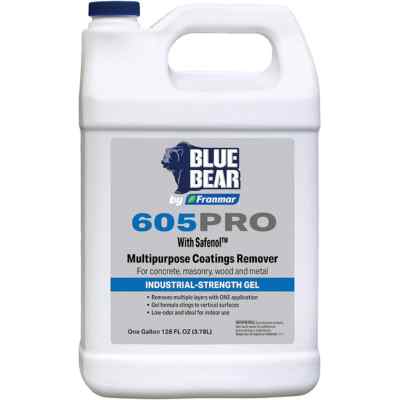
| Franmar BLUE BEAR 605PRO | Soy-Based Stripper | ~125 sq. ft. (per gallon) | Check Latest Price |
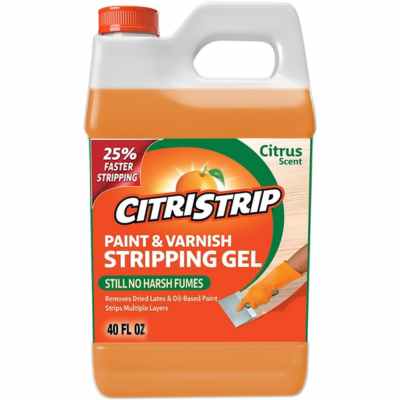
| Citristrip Stripping Gel | Citrus/Water-Based Gel | ~60 sq. ft. (per half-gallon) | Check Latest Price |
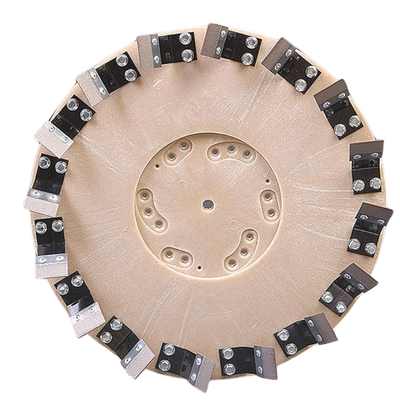
| Diamabrush Concrete Tool | Mechanical Diamond Abrasive | Up to 5,000 sq. ft. (lifespan) | Check Latest Price |
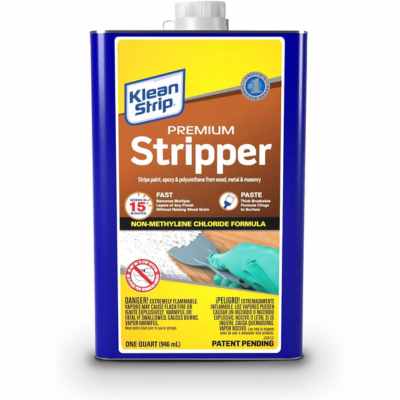
| Klean-Strip Premium Stripper | Heavy-Duty Solvent | ~100 sq. ft. (per gallon) | Check Latest Price |
| Dumond Smart Strip Advanced | Water-Based Gel | ~40–45 sq. ft. (per gallon) | Check Latest Price |
| Sentinel 747 Plus | Liquid Adhesive Remover | ~100–200 sq. ft. (per gallon) | Check Latest Price |
| Sunnyside Advanced Remover | Semi-Paste Solvent | ~100 sq. ft. (per gallon) | Check Latest Price |
1. Franmar BLUE BEAR 605PRO
Best Overall for Epoxy & Urethane
- Our Rating: 4.8 / 5
- Formula: Soy-Based Stripper
- Action Time: 12+ hours to soften coatings
Formerly known as Bean-e-doo, this soy-based stripper is the secret weapon of flooring professionals. It is specifically formulated to soften tough, cross-linked coatings like 2-part epoxies, polyurethanes, and acrylics.
Pros: Virtually odorless (made from soybeans), 100% biodegradable, and stays wet for hours without needing to be covered in plastic. It tackles heavy-duty garage coatings better than almost any other liquid.
Cons: It leaves a greasy residue behind. You must thoroughly wash the floor with a heavy-duty degreaser afterward, or your new coating won’t stick.
2. Citristrip Paint & Varnish Stripping Gel
Best for Light Paints & Sealers
- Our Rating: 4.6 / 5
- Formula: Citrus/Water-Based Gel
- Action Time: 12-24 hours
If you are removing 1-part concrete paint, old deck stain, or acrylic sealers in an enclosed space (like a basement), this is the safest route.
Pros: No harsh fumes, a pleasant citrus scent, and safe for indoor use without a respirator. The gel formula clings nicely to edges and steps.
Cons: It is not strong enough for industrial epoxies. It also requires patience—you often need to let it sit for 12 to 24 hours, and covering it with plastic wrap is highly recommended to keep it from drying out.
3. Diamabrush Concrete Prep Tool
Best Mechanical Remover (No Chemicals)
- Our Rating: 4.9 / 5
- Formula: Mechanical Diamond Abrasive
- Action Time: Immediate physical removal
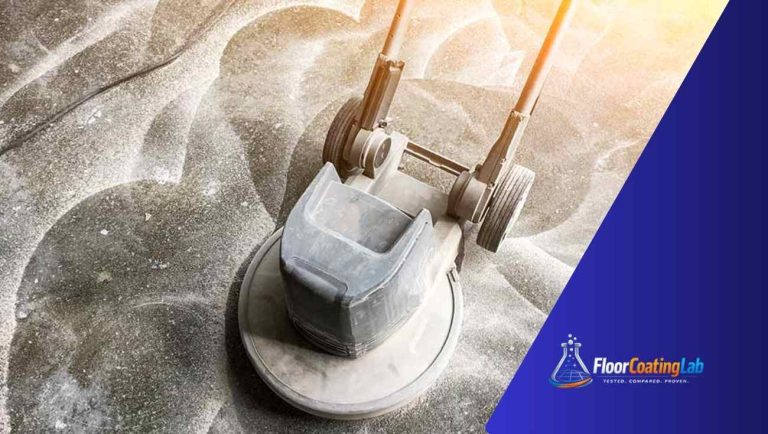
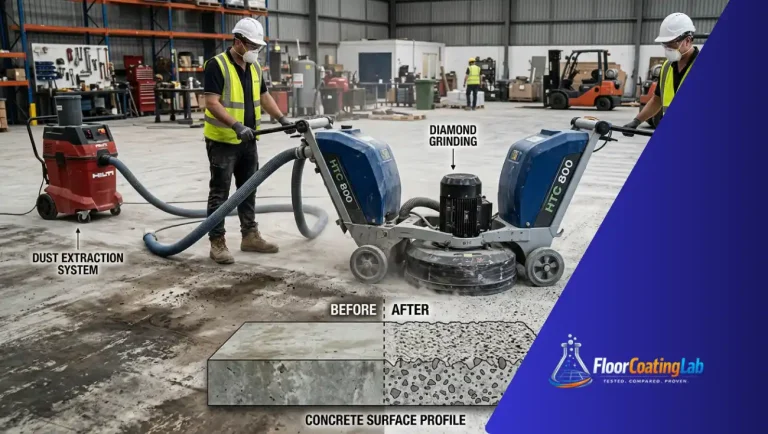
Sometimes, chemicals just turn thick epoxy into a toxic, sticky mess that is impossible to scrape up. The Diamabrush is a diamond-abrasive wheel that attaches to a standard 4.5″ angle grinder.
Pros: Chews through thick 10-mil epoxies, paints, and thinsets in seconds. It simultaneously removes the old coating and profiles the concrete, prepping it perfectly for a new coat in one step.
Cons: Creates a massive amount of dust (you must use a dust shroud attached to a shop vac). It also requires physical labor on your hands and knees.
4. Klean-Strip Premium Stripper
Best Fast-Acting Chemical
- Our Rating: 4.5 / 5
- Formula: Heavy-Duty Solvent
- Action Time: 15-20 Minutes
When you don’t have 24 hours to wait for an eco-friendly stripper to work, Klean-Strip is the heavy-duty, fast-acting alternative. It bubbles up old paint and varnishes in as little as 15 minutes.
Pros: Extremely aggressive. It will eat through multiple layers of stubborn paint and sealer incredibly quickly.
Cons: Highly toxic and emits harsh fumes. You absolutely must wear chemical-resistant gloves, eye protection, and a proper respirator mask. Best used in highly ventilated garages or outdoors.
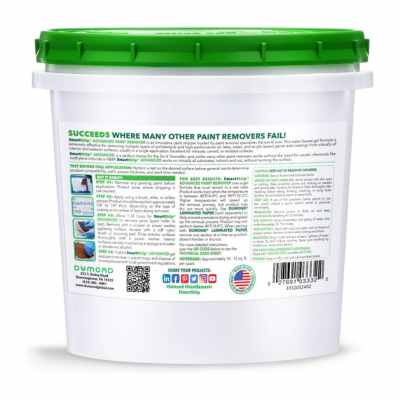
5. Dumond Smart Strip Advanced Paint Remover
Best Heavy-Duty Gel
- Our Rating: 4.4 / 5
- Formula: Citrus/Water-Based Gel
- Action Time: 1–24 hours (depending on layers)
Smart Strip is an excellent middle ground. It is water-based and eco-friendly like Citristrip, but it packs a much heavier punch for thick, multi-layered floor paints.
Pros: Can remove up to 15 layers of paint in a single application. It is completely free of methylene chloride and toxic chemicals, making it safe for indoor residential use.
Cons: Very expensive per square foot. If you are stripping a massive two-car garage, the cost of the buckets will add up quickly.
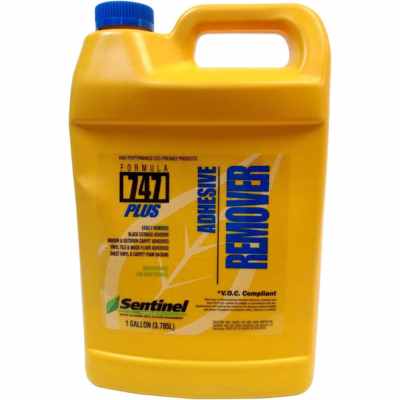
6. Sentinel 747 Plus Adhesive Remover
Best for Mastic & Old Glue
- Our Rating: 4.7 / 5
- Formula: Liquid Adhesive Remover
- Action Time: 1–2 hours (depending on layers)
If you pulled up old linoleum, VCT tiles, or carpet from your concrete floor, you are likely left with black mastic or yellow carpet glue. Standard paint strippers won’t work well on this.
Pros: Specifically formulated to liquify sticky adhesives. It works exceptionally well on old black asbestos mastic (it keeps the asbestos fibers wet and safe from becoming airborne).
Cons: Strong solvent smell. It strictly targets adhesives; it will not strip epoxy or heavy garage floor paints.
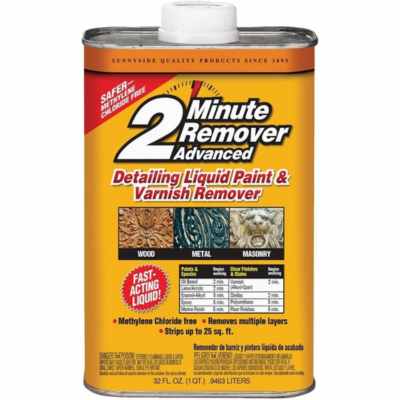
7. Sunnyside Advanced Paint & Varnish Remover
Best Budget All-Purpose
- Our Rating: 4.3 / 5
- Formula: Semi-Paste Solvent
- Action Time: 30 Minutes – 2 hours
A great, economical choice for general DIY floor stripping. It is a semi-paste formula that works on latex paints, oil-based paints, and standard concrete sealers.
Pros: Very affordable and widely available. The semi-paste consistency makes it easy to roll or brush onto the floor without it running or pooling too heavily in low spots.
Cons: Struggles with industrial-grade garage coatings and often requires multiple applications for multi-layered paint jobs.
Floor Coating Remover Types You Should Know About
| Remover Type | Best Used For | Safety / Odor | Method of Action |
| Soy-Based (e.g., Blue Bear) | Epoxies, urethanes, thick mastics | Low odor, safe | Softens the coating slowly over 12+ hours into a pushable sludge. |
| Citrus/Water-Based | 1-part paints, acrylic sealers, stains | Pleasant odor, very safe | Lifts latex and oil paints; requires plastic wrap to prevent drying. |
| Harsh Solvents (Klean-Strip) | Stubborn paints, fast turnaround | Toxic fumes, requires respirator | Bubbles and blisters the coating rapidly (15–30 mins). |
| Mechanical (Diamabrush) | 2-part epoxies, failing coatings | Dusty, requires PPE/vacuum | Physically grinds the coating off and texturizes the bare concrete. |
3 Critical Takeaways Before You Grab a Floor Coating Remover
Chemicals vs. Grinding: If you are trying to remove a thick, professionally applied 2-part epoxy, skip the chemicals entirely. Rent a walk-behind concrete grinder or buy a Diamabrush. Chemical strippers will turn thick epoxy into a gooey tar that is a nightmare to scrape up. Save chemicals for paint, sealers, and thin 1-part epoxy.
Dwell Time is King: The biggest mistake DIYers make with eco-friendly strippers is scraping too early. Soy and citrus strippers need time to break the chemical bonds of the paint. Give them 12 to 24 hours to work. If you scrape and it’s difficult, you haven’t waited long enough.
The Crucial Wash-Down: Chemical strippers leave a film on the concrete. If you apply a new epoxy directly over a chemically stripped floor, the new coating will peel in a matter of months. You must thoroughly scrub the floor with a heavy-duty degreaser (like TSP) and flush it with water until the concrete is completely clean and neutralized.
No matter which product you choose, remember that surface preparation determines the lifespan of your new floor coating. Remove every trace of the old finish, clean away all stripper residue, repair any damaged concrete, and allow the floor to dry completely before applying a new coating.
Taking the time to prepare the surface properly will give you better adhesion, a smoother finish, and a floor that lasts for years instead of months.
Still unsure which floor coating remover is right for your project? Identify your existing coating first-whether it’s epoxy, paint, sealer, or adhesive-and match it to the appropriate removal method. A few minutes spent choosing the correct product can save hours of labor, reduce costs, and help you achieve professional-quality results.

2 Comments
Comments are closed.