
Author: Farhan Ejaj

-
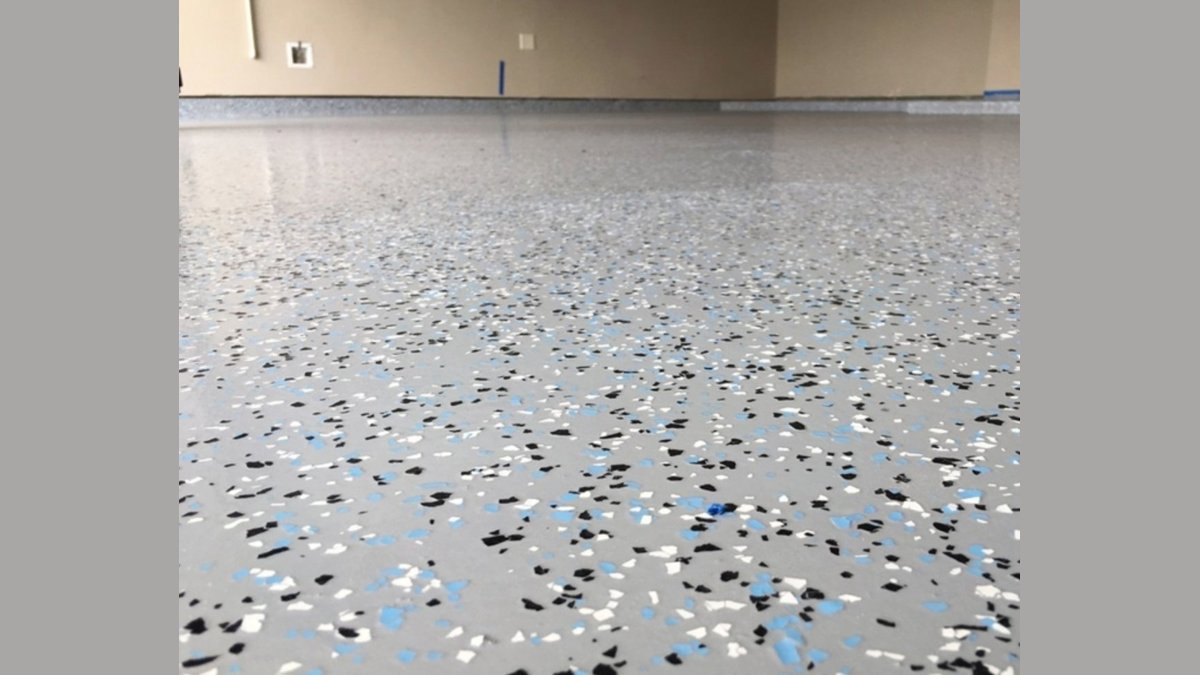
How to Paint a Garage Floor With Flakes in 3 Working Days
Learn how to paint a garage floor with flakes in 3 working days: clean, etch, prime, coat, and broadcast flakes while wet, then add a clear topcoat.
-
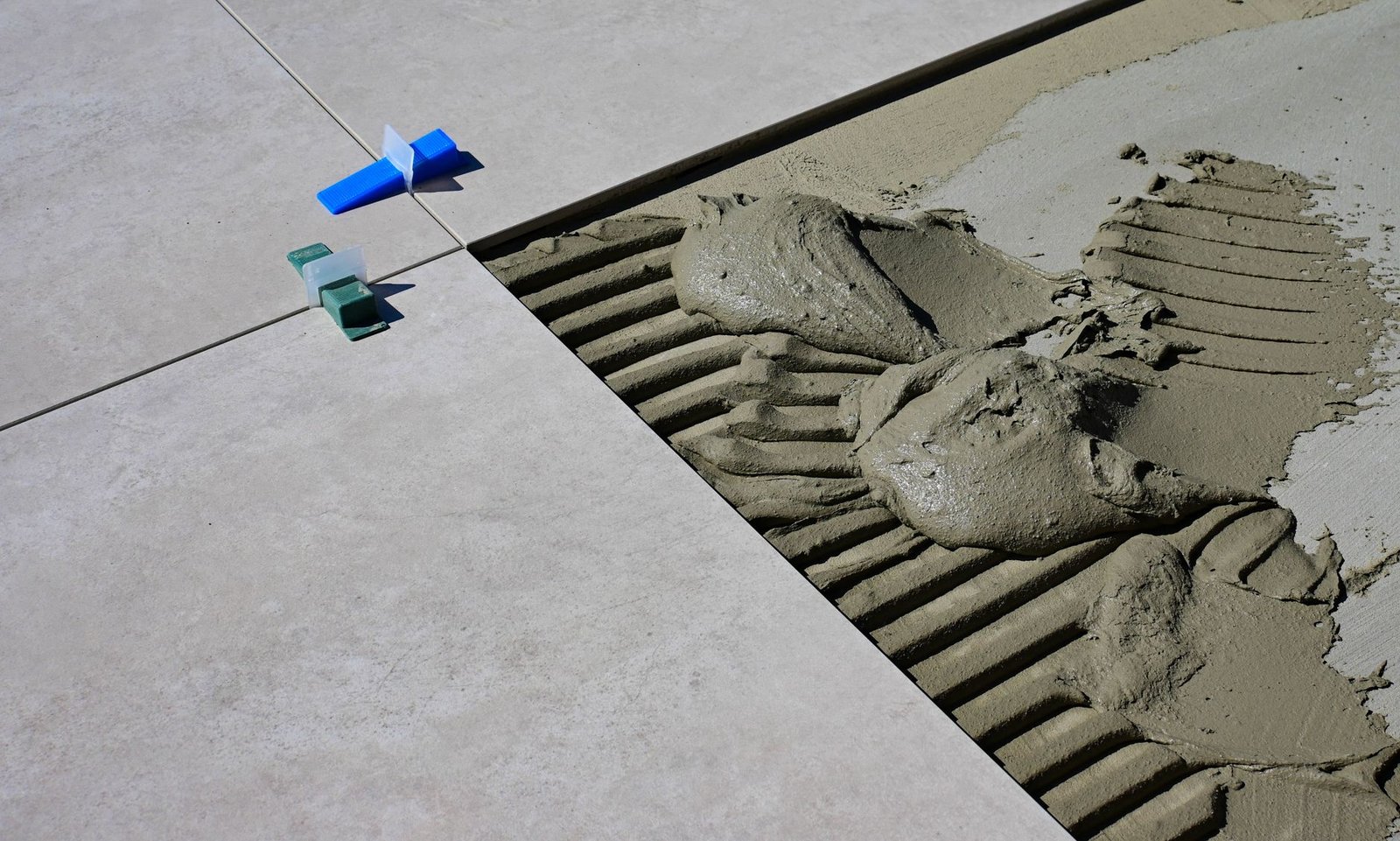
Should You Fill Concrete Expansion Joints Before Epoxy?
Don’t fill concrete expansion joints with rigid epoxy. Learn when to use flexible joint filler or leave them unfilled and honor them through your coating.
-
How to Finish Epoxy Garage Floor Edges and Door Thresholds
Finish epoxy garage floor edges and door thresholds by cutting a clean line at the wall, then sealing the moving joint with flexible urethane caulk to…
-
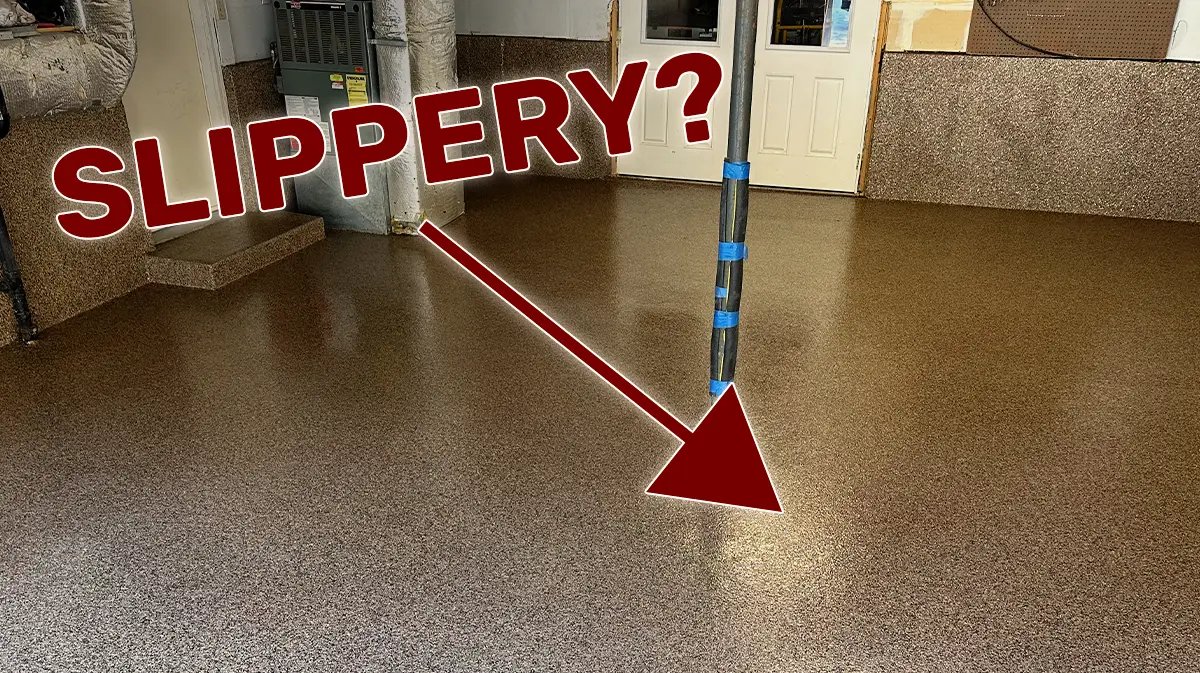
How to Make an Epoxy Garage Floor Less Slippery
Make an epoxy garage floor less slippery with a slip-resistant additive: 1 to 2 oz per gallon of epoxy or fine silica sand per 100 sq ft.
-
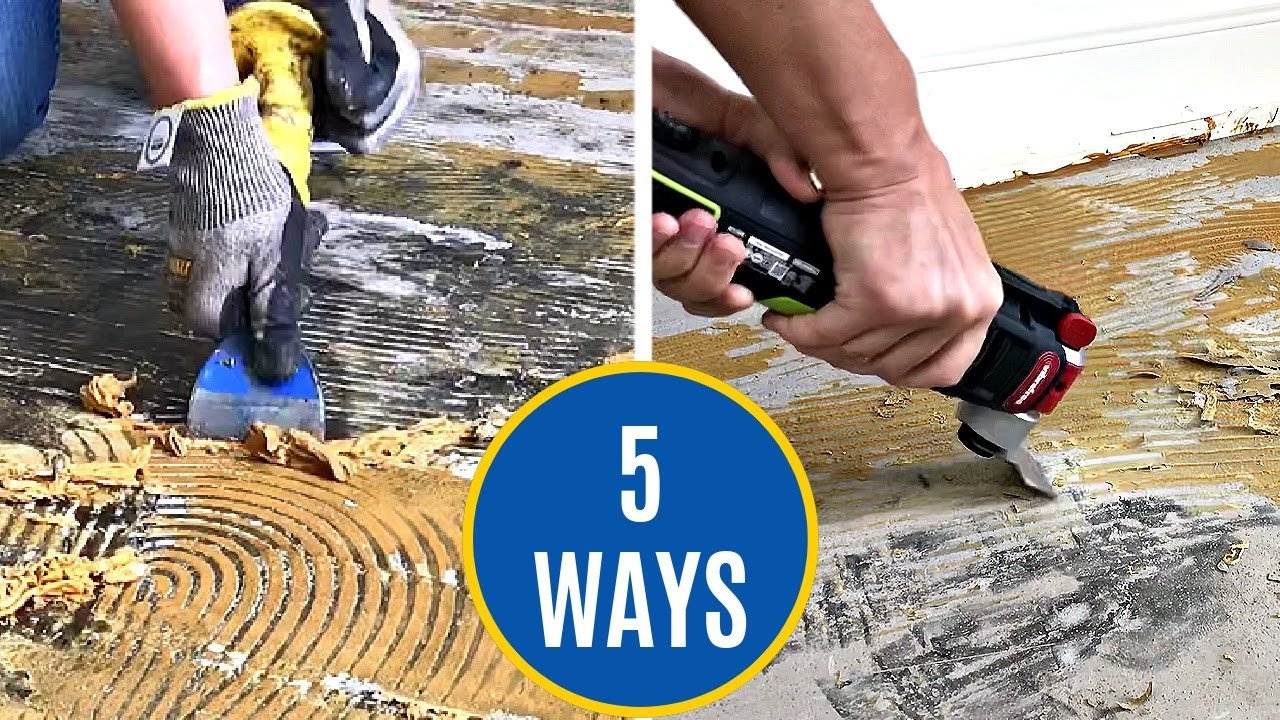
How to Remove Adhesive Residue From Concrete Before Epoxy
Learn how to remove adhesive residue from concrete before epoxy. Match the method to glue age and type, whether soft mastic or hard cured adhesive.
-
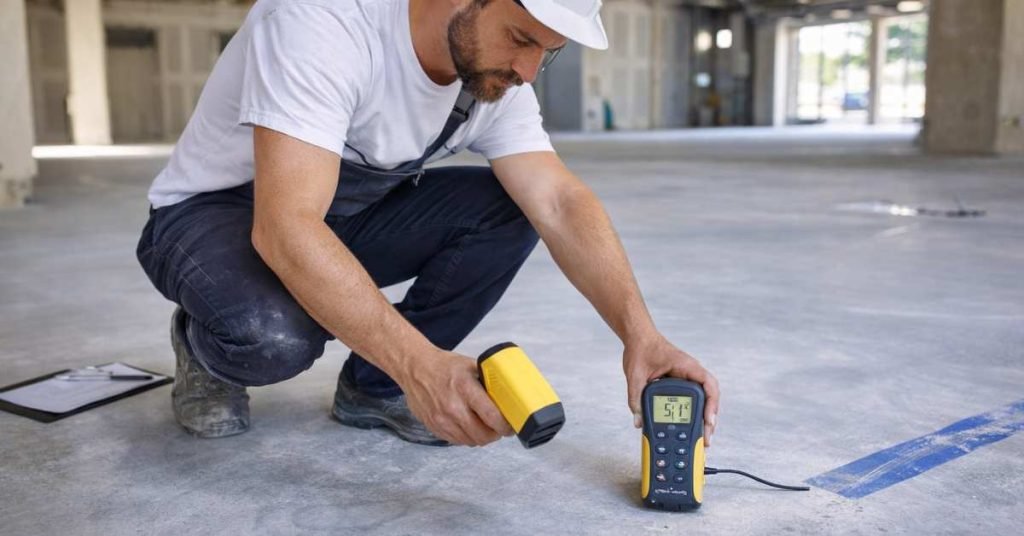
How to Test Concrete for Moisture Before Epoxy
Learn how to test concrete for moisture before epoxy so your coating bonds. Simple methods reveal hidden water vapor that blisters and peels floors.
-
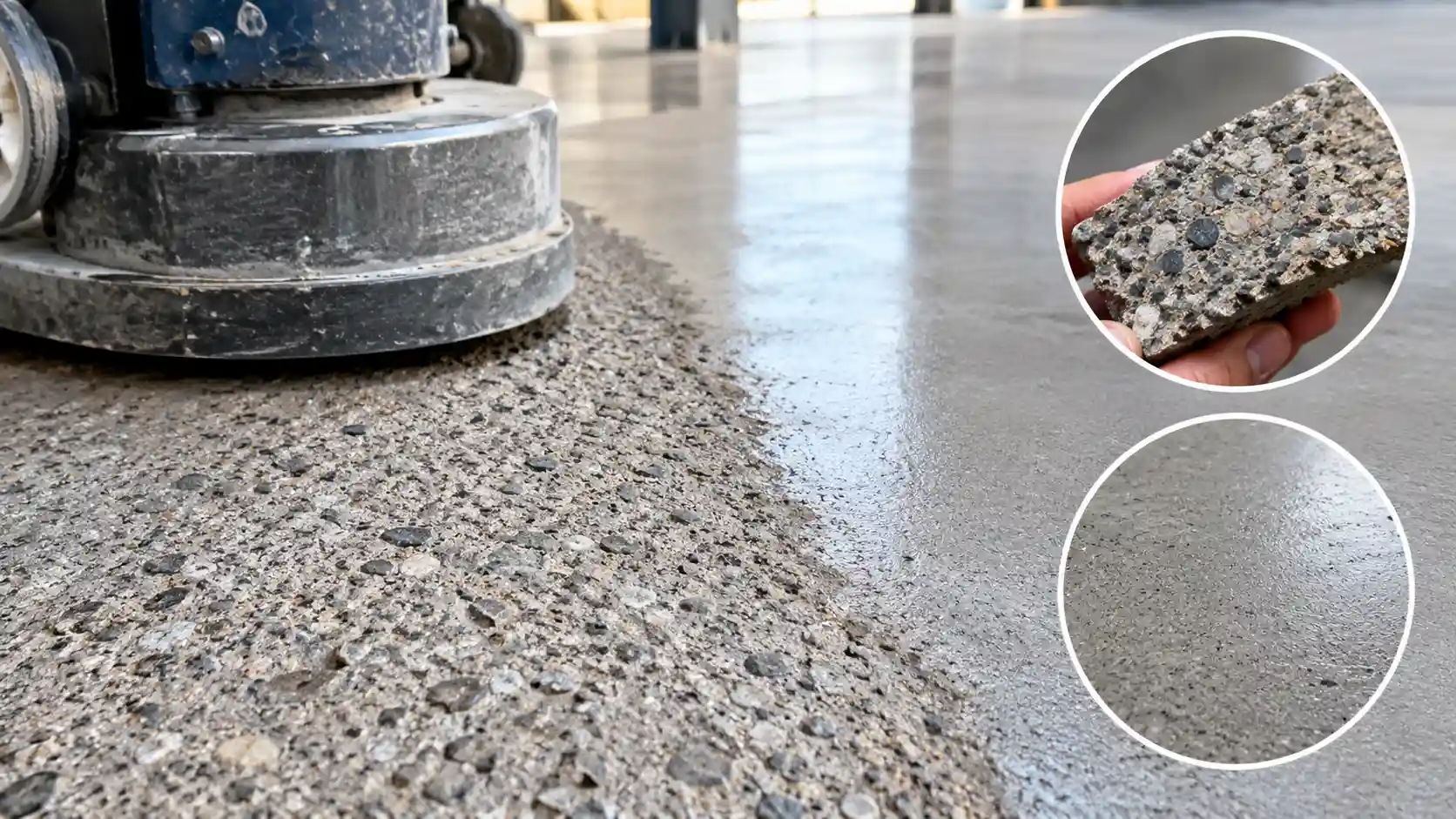
CSP Levels Explained: Concrete Surface Profile 2, 3 and 4 Compared
CSP is a 1–10 scale for concrete roughness. Most garage epoxy needs CSP 2–3, thicker systems CSP 3–4, and you check it with ICRI profile chips. That’s the quick answer. If you’ve ever read “grind the floor to CSP 3” on a product data sheet and wondered what that actually means, this guide is for…
-
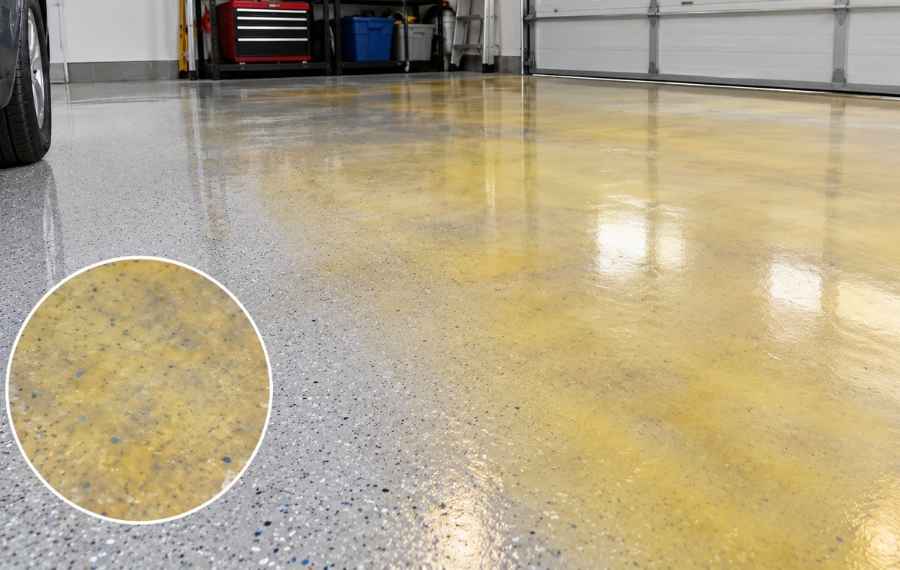
Why Your Garage Floor Coating Turned Yellow or Hazy?
Garage epoxy yellows from UV light and heat, while haze is usually amine blush or moisture. Wash off haze, and topcoat with UV-stable polyaspartic. That’s the short answer. The longer one matters, because “yellow” and “hazy” are two different problems with different causes, and the fix for one won’t help the other. This guide explains…
-
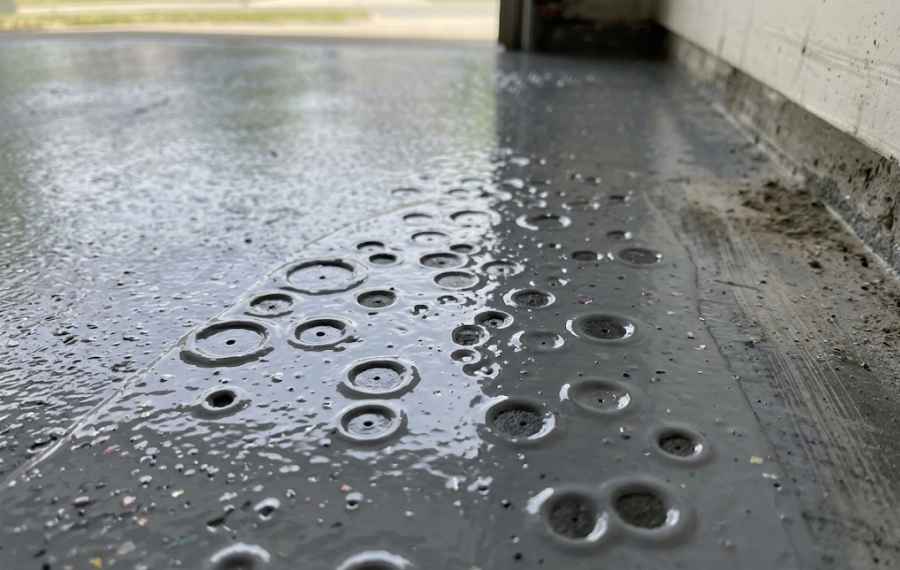
Epoxy Fish Eyes and Craters: Causes and Fixes
You mix a batch of epoxy, roll it out, and for a few minutes the floor looks perfect. Then small round dimples start opening up in the wet coating, as if something is pushing the epoxy away. By the time you’ve stepped back to look, there are dozens of them. Those are fish eyes. They…