Add concrete mix and water to a sturdy bucket, then mix with a hoe, trowel, or drill until evenly wet. Do not add too much water.
Mixing a small amount of concrete does not always justify renting a mixer. If you are setting a fence post, repairing a small step, filling a hole, or making a quick repair, a sturdy bucket can do the job.
The important part is getting the water right. Too little water makes the concrete difficult to work with. Too much water makes the finished concrete weaker and can lead to cracking.
Here is how to mix concrete in a bucket without making the job harder than it needs to be.
What You Need to Mix Concrete in a Bucket
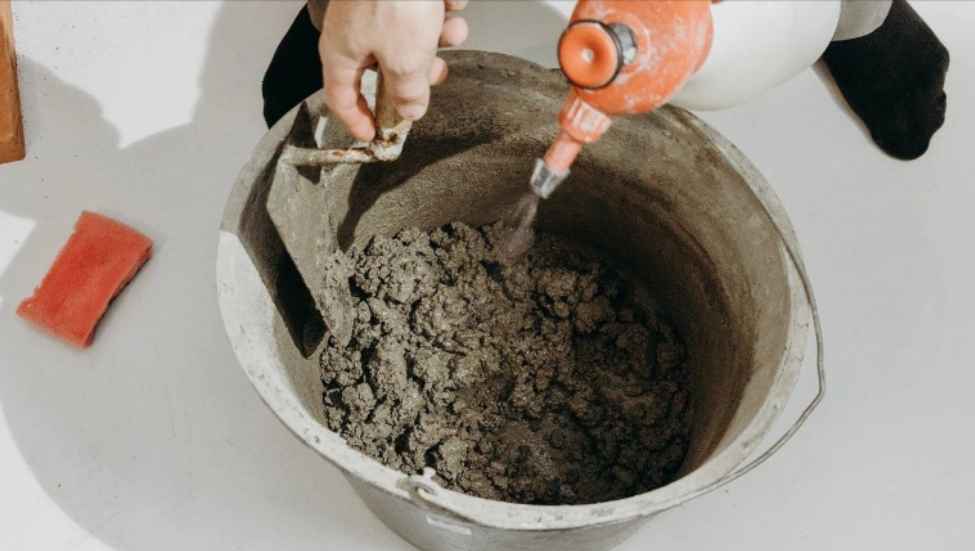
You need a strong bucket, concrete mix, clean water, and something to mix with.
A five-gallon bucket works well for many small jobs, but do not fill it to the top. Concrete is heavy, and an overfilled bucket becomes difficult and unsafe to move.
For a small amount, a sturdy hand trowel or small hoe can work. If you are mixing a larger amount, a mixing drill with a concrete paddle can save your arms.
Wear gloves and eye protection. Dry concrete mix contains fine particles that you do not want in your eyes or lungs.
Image prompt: Realistic DIY home improvement scene showing a homeowner mixing concrete in a sturdy five-gallon bucket, bag of concrete mix nearby, hand trowel and clean water visible, natural outdoor lighting, authentic work setting, no text or logos.
How to Mix Concrete in a Bucket
Step 1: Put the Concrete Mix in the Bucket
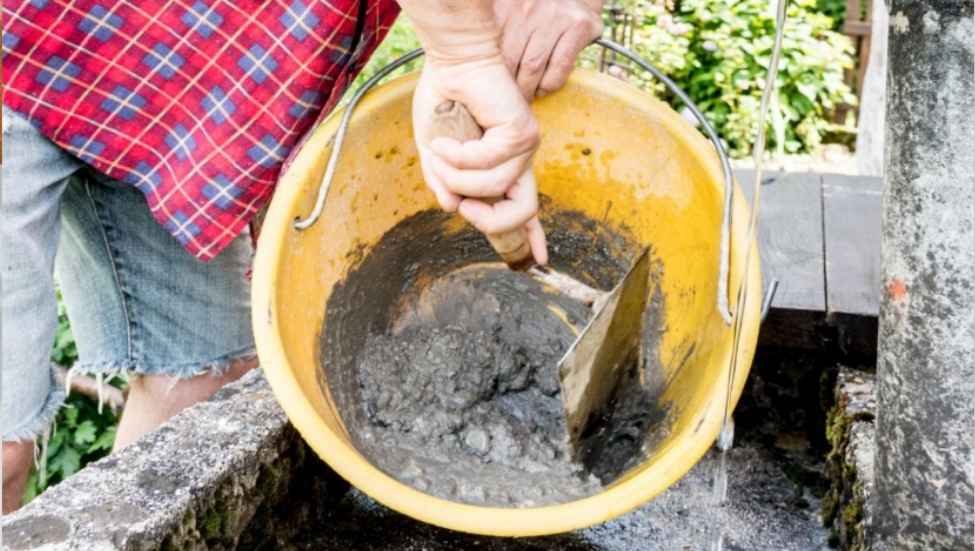
Start by putting the dry concrete mix into the bucket.
Do not fill the bucket completely. Leave enough room to mix without spilling concrete over the sides.
If you are making a very small repair, measure out only what you need. Mixing more concrete than necessary creates waste and makes the job harder.
Step 2: Add Some Water
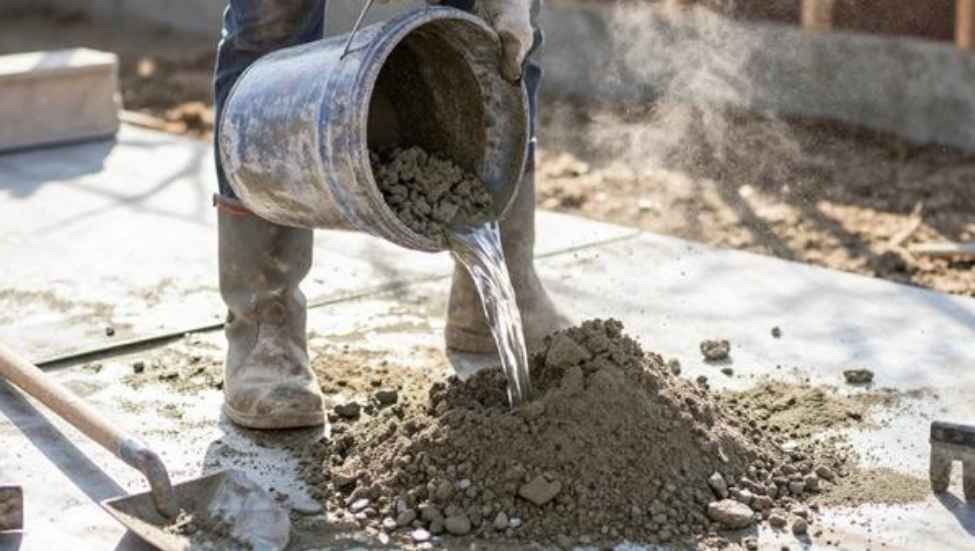
Check the instructions on your concrete mix bag before adding water.
Different products require different amounts of water, so there is no single amount that works for every bag.
Instead of dumping all the water in at once, start with most of the recommended amount and hold some back.
Pour the water into the dry mix and begin mixing.
Step 3: Mix the Concrete Thoroughly
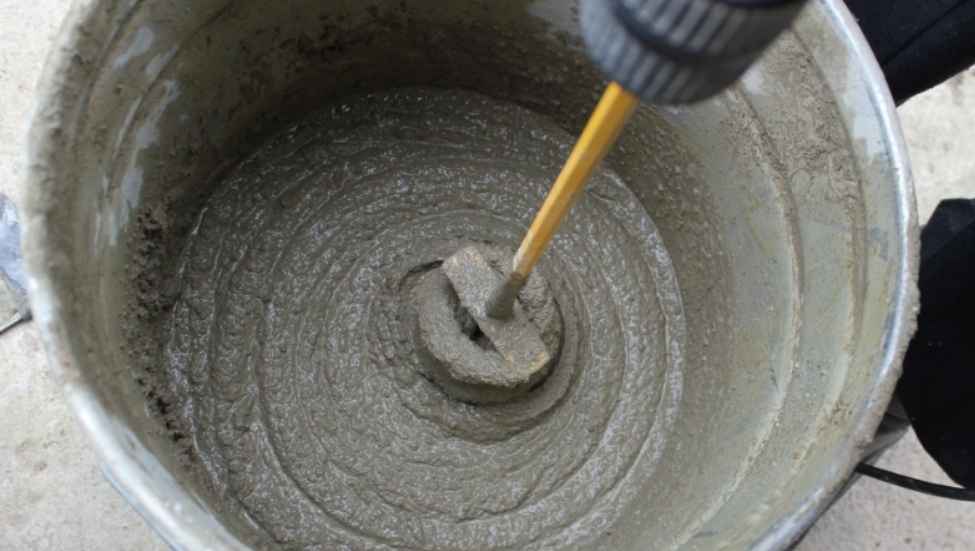
Push your mixing tool down into the bottom of the bucket and work the dry mix through the water.
Scrape the sides and bottom as you mix. Dry powder often hides underneath the wetter concrete, so simply stirring the top is not enough.
Keep turning the mixture until the color and texture look even.
If you are using a drill and mixing paddle, start slowly. A high-speed drill can throw wet concrete out of the bucket before you have even started.
How Do You Know When the Concrete Is Ready?
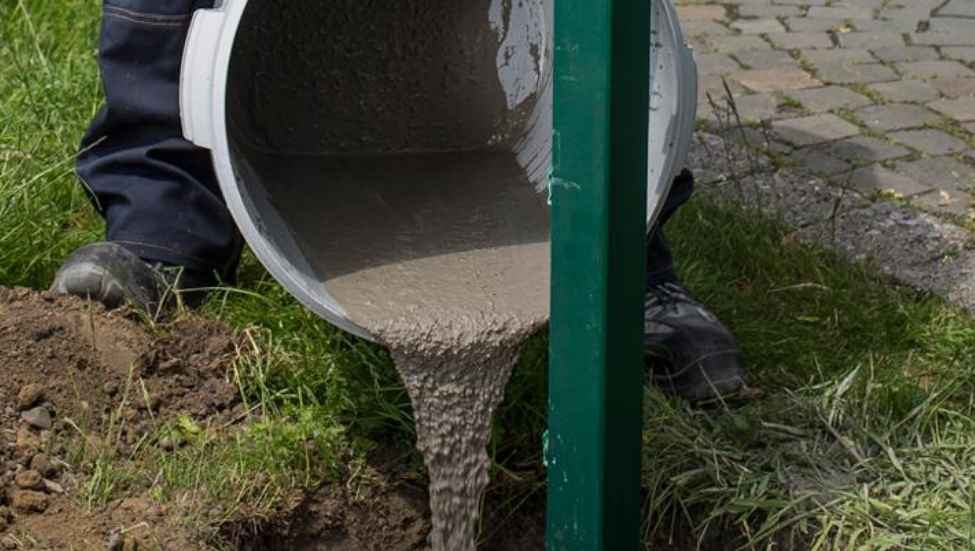
Good concrete should be wet enough to work with but not watery.
When you lift your mixing tool, the concrete should hold together instead of flowing like soup.
If the mixture looks dry and crumbly, add a small amount of water and mix again.
If it already looks wet and loose, do not add more water.
This is where many small concrete jobs go wrong. Adding extra water makes the mix easier to spread, but it can reduce the strength of the finished concrete.
Do Not Chase a Runny Mix
It is tempting to add more water when the concrete feels difficult to mix.
Try mixing it thoroughly first.
Concrete can look too dry at the beginning because the water has not reached all of the dry material yet. Give the mixture a proper mix before deciding that it needs more water.
If you do need more, add it in small amounts.
You can always add a little more water. You cannot easily take it back out.
Related Article: Remove Tire Marks from Epoxy Without Dulling the Shine
How Long Should You Mix Concrete in a Bucket?
Follow the mixing time printed on your concrete bag because products vary.
For hand mixing, the main goal is to make sure there are no dry pockets left in the bucket.
Scrape the bottom and sides several times while mixing. You want the entire batch to have a consistent texture.
With a drill mixer, avoid running the paddle too fast. Mixing too aggressively can pull air into the material and make a mess around the bucket.
What If You Mix Too Much Concrete?
This is a common mistake with bucket mixing.
Concrete starts becoming difficult to work with once it begins setting. If you have more concrete than you can place and finish in time, some of it may be wasted.
For small repairs, it is often better to mix smaller batches.
That way, you can place and finish each batch before moving on to the next one.
Image prompt: Realistic homeowner pouring freshly mixed concrete from a five-gallon bucket into a small prepared repair area, controlled pour, tools nearby, natural daylight, authentic DIY construction scene, no text or logos.
Can You Mix Concrete in a Plastic Bucket?
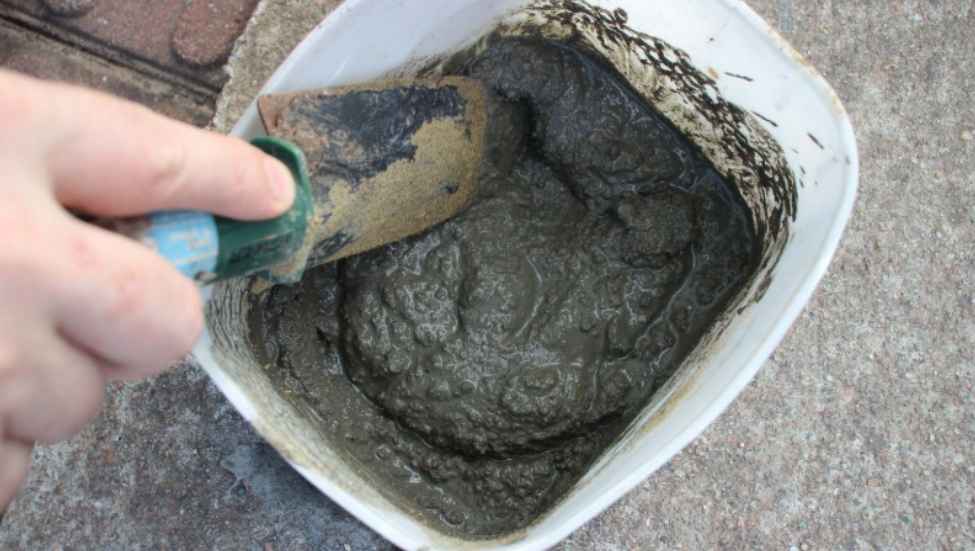
Yes, but use a bucket that is strong enough for the job.
Concrete is heavy, and a thin or damaged bucket can crack, bend, or break while you are carrying it.
A sturdy five-gallon plastic bucket is commonly used for small batches.
Before starting, check the bucket for cracks or damage. Never assume that a weak bucket will hold simply because it held water before.
Can You Mix Concrete Without a Drill?
Absolutely.
For a small batch, you can mix concrete by hand using a sturdy hoe, trowel, or similar tool.
The process takes more effort, but it works.
Put the dry mix in the bucket, add the correct amount of water gradually, and work the material from the bottom upward. Scrape the sides and keep turning the mix until everything is evenly combined.
For a very small repair, hand mixing may actually be easier than getting a power mixer ready.
Related Article: Best Cleaners for Epoxy Floors
Common Mistakes to Avoid
The biggest mistake is adding too much water.
Another is mixing only the top of the bucket and leaving dry concrete underneath.
Do not use a weak household bucket, and do not carry a completely full bucket of concrete if you can avoid it.
Also, do not mix concrete and then leave it sitting in the bucket while you prepare the work area. Have everything ready before you start mixing.
Once the concrete is ready, you want to use it while it is still workable.
How to Clean the Bucket After Mixing
Clean the bucket and tools as soon as possible.
Fresh concrete is much easier to remove than hardened concrete. Use water to clean the tools while the material is still wet, but do not wash large amounts of concrete down a household drain.
The cement in concrete can harden inside pipes and create a serious blockage.
Let leftover concrete settle where appropriate and dispose of the hardened material according to your local waste rules.
When Should You Use a Concrete Mixer Instead?
A bucket is great for small jobs.
But if you are mixing several bags, pouring a slab, building a large footing, or working on a project where you need a steady supply of concrete, a bucket quickly becomes tiring and inefficient.
For larger jobs, a proper mixer or ready-mixed concrete may save you a lot of time and effort.
The bucket method is best when you need a manageable amount and want to keep the equipment simple.
Final Thoughts
Learning how to mix concrete in a bucket is mostly about controlling the water and mixing the material properly.
Use a strong bucket, follow the water amount on the concrete bag, add water gradually, and scrape the bottom and sides while mixing.
Most importantly, do not make the concrete wetter just because a runny mixture feels easier to work with.
A properly mixed batch may take a little effort, but once you get the consistency right, you can handle many small concrete repairs without renting a mixer.