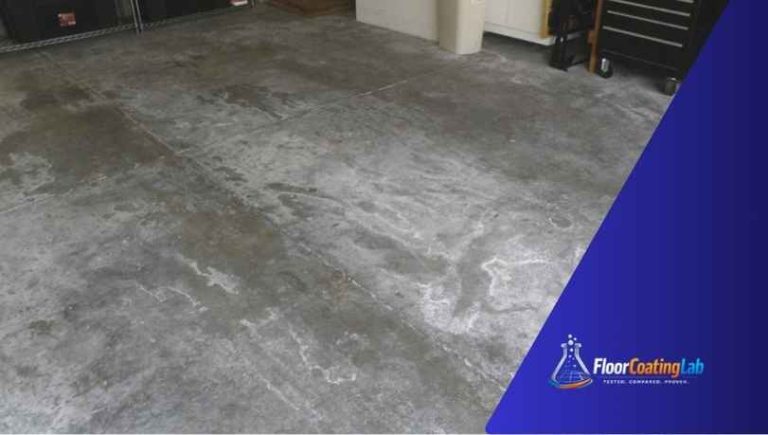
Excess water or poor curing creates a weak top layer. Never just paint it! Fix it permanently with densifiers or diamond grinding.
Is your garage floor turning into white powder? Discover the root causes of concrete dusting, how to test it, and the permanent chemical fixes to prep for floor coatings.
Have you ever swept your garage floor, only to find another layer of fine white powder just hours later? It’s super frustrating. You might be asking yourself, “Why is my concrete dusting?” Well, you are not alone! Lots of homeowners and business owners face this chalky nightmare every single day.
This dust isn’t just regular dirt from your shoes or the yard. It is actually part of your concrete floor breaking apart.
In this guide, we will explore exactly what is happening to your floor. We will look at the main causes of the powder. Plus, I will show you a couple of fun, easy tests to figure out how bad the problem really is. Let’s get right into it!
What Exactly is Concrete Dusting? (Hint: It’s Called Laitance)

When we talk about a dusty concrete floor, we are usually dealing with something called laitance. But what in the world is that?
Imagine baking a cake. If you add way too much water to the batter, the top gets mushy and weak when it bakes. The exact same thing happens with a concrete mix design.
Laitance is a very thin, flaky layer of weak cement and fine sand. It rises to the top of the slab when the concrete is first poured. According to the American Concrete Institute (ACI), this dusty layer is highly fragile and prone to breaking.
When you walk, drive, or move boxes across it, the weak surface slowly crumbles. That crumbling creates the fine, white powder that drives you crazy!
The 4 Main Causes of a Dusting Concrete Floor
Let’s figure out why this happened to your floor in the first place. In my experience, most concrete problems come down to a few simple mistakes made during the pouring process.
1. Bleed Water and a Watery Mix
Have you ever seen a newly poured driveway with little puddles of water floating on top? That is called bleed water. A small amount of this water is totally normal. But sometimes, contractors add too much extra water to the mix to make the heavy concrete easier to spread.
This excess water quickly rises to the top. It waters down the heavy cement paste at the surface. This mistake drops the overall surface strength of the floor dramatically.
2. Improper Finishing
Timing is everything in life, and it’s especially true for concrete. One of the biggest mistakes a contractor can make is smoothing (or troweling) the concrete while that bleed water is still sitting on top.
Doing this mixes the excess water straight back into the top layer of the slab. This is a classic example of improper finishing. It guarantees a weak, powdery surface that will definitely dust later on.
3. Carbonation (The Sneaky Winter Enemy)
If your concrete was poured during the cold winter months, this might be the sneaky culprit. Builders often use unvented gas heaters to keep the room warm while working. These gas heaters release a lot of carbon dioxide (CO2) into the air.
The CO2 reacts with the fresh, wet concrete to cause carbonation. This weird chemical reaction stops the concrete from getting hard on the very top. It basically kills the surface, leaving it chalky.
4. Poor Concrete Curing
Concrete doesn’t just “dry” like paint. It actually cures through a cool chemical reaction that needs moisture. If the concrete dries out way too fast on a hot summer day, it won’t harden correctly.
Good concrete curing means keeping the moisture trapped inside the slab for a few days. If the curing process is rushed or skipped, the surface stays super soft and starts chalking under your feet.
Related Article: 9 Pet Friendly Laminate Flooring Ideas
The DIY Scratch & Water Tests
Okay, now it’s time to play detective! Before you can permanently fix your dusting floor, you need to know how bad the damage is. Here are two super easy DIY tests you can do right now.
The Quick Coin Scratch Test
Want to know if your floor has a severe dusting problem? Grab a heavy coin (like a quarter) or a flathead screwdriver.
- Pick a spot on your floor that produces a lot of white dust.
- Press down firmly and scrape the coin across the surface.
- What to look for: If the coin just leaves a shiny mark, your floor is pretty strong. But if the coin easily digs in, scrapes off a layer, and creates a gouge, your surface strength is very low.
The Water Drop Test
This simple test checks your concrete porosity (which just means how easily water soaks into it). This will help you decide exactly how to fix the floor later.
- Pour a couple of tablespoons of tap water onto the dusty floor.
- Watch the water closely for about a minute.
- What to look for: Does the water sit on top like a shiny bead? Or does it soak right in immediately like a dry sponge? If it acts like a sponge, your concrete is highly porous and weak.
Here is a quick breakdown of what your test results mean for your garage or basement:
| Your Test Result | What It Actually Means | Your Next Steps |
| Coin leaves a shiny mark | Minor surface dust, decent strength. | A simple liquid chemical hardener will work well. |
| Coin gouges the concrete | Severe dusting, very weak top layer. | Requires machine grinding to reach hard, healthy concrete. |
| Water beads up on top | Low concrete porosity, hard surface. | Just needs a very good scrub and vacuum. |
| Water soaks in instantly | High porosity, fragile surface layer. | Needs deep chemical densification to lock it together. |
The Threat to Floor Coatings & Common Mistakes

Now, why does a little dust even matter? Well, if you just want to park your car, maybe it doesn’t. But if you want a beautiful, shiny garage floor, dusting is your absolute worst enemy.
Why Dusting Concrete Destroys Epoxy & Polyaspartic Coatings
Here is a hard truth. If you apply premium polyaspartic coatings or standard epoxy directly over a dusting floor, it will fail. Period.
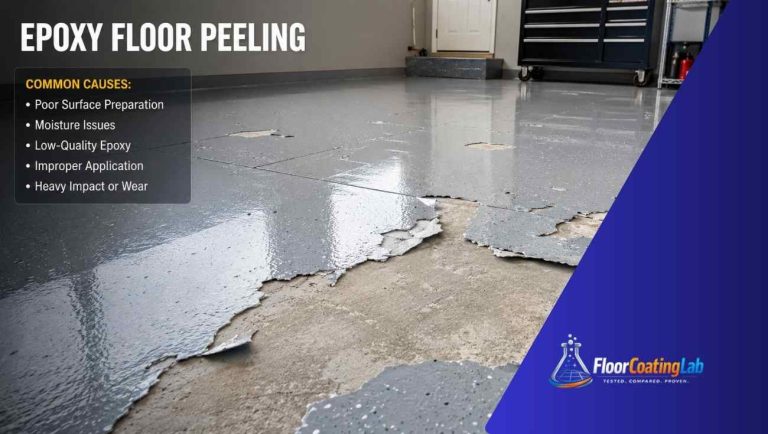
Why does this happen? It is all about the bond. Paint and coatings need a solid, hard rock surface to grab onto. If the surface is covered in powdery laitance, the epoxy just glues itself to the dust. When you drive your hot car tires onto the floor, the coating peels right up. We call this coating delamination, and it is an expensive nightmare! You end up with chunks of epoxy stuck to your tires.
Common Mistakes You Need to Avoid
I see homeowners make the same mistakes over and over. Trust me, I get it. We all want a fast, cheap fix. But taking shortcuts will cost you big time later. Please avoid doing these things:
- Mistake 1: Washing with a hose. Spraying high-pressure water on a dusty floor just turns the dust into mud. When the mud dries, the dust comes right back. It actually makes the problem worse!
- Mistake 2: Using cheap topical sealers. A cheap acrylic sealer from the local hardware store will not fix this. It just sits on top like a thin plastic bag and peels off in a few weeks. In my personal opinion, buying cheap garage paint for a dusting floor is throwing your money in the trash.
- Mistake 3: Thinking thicker epoxy is better. Pouring a super thick layer of epoxy won’t “glue” a bad floor together. The base is still weak. You must fix the concrete before you coat it.
How to Permanently Fix a Dusting Concrete Floor
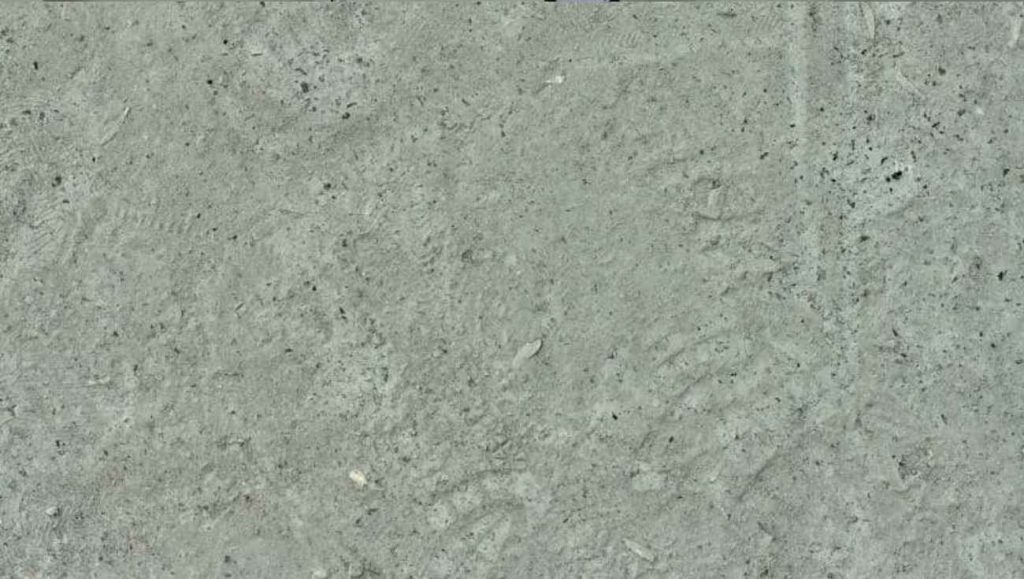
Alright, let’s fix this mess! You don’t have to live with a chalky floor forever. If you want to stop the dust or prep your floor for an amazing new coating, follow these four exact steps.
Step 1: Proper Cleaning and Vacuuming
Throw your push broom away for today. Sweeping just pushes the fine powder into the air, and it settles right back down later. You need to use a heavy-duty shop vacuum. Vacuum the entire floor very slowly. You want to suck up as much loose powder as humanly possible.
Step 2: The Chemical Fix (Concrete Densifiers)
This is where the magic happens. You need a product called a concrete densifier. These are special liquid chemicals. The most common ones are sodium silicate and lithium silicate.
When you spray a densifier onto the floor, it soaks deep into the pores. It finds the weak, free lime inside the cement. Then, it creates a chemical reaction to form calcium silicate hydrate. That is just a fancy science term for “liquid rock.” The chemical literally hardens the top layer of your floor from the inside out!
Step 3: The Mechanical Fix (Diamond Grinding)
If your floor failed the coin scratch test from earlier, chemicals are not enough. You have to remove the dead layer of concrete completely.
This requires surface preparation using a machine. Renting a floor grinder for diamond grinding is the absolute best way to do this. The grinder scrapes off the weak laitance and exposes the hard, healthy concrete underneath. Yes, it is messy and loud. But it is the only way to guarantee your new floor coating will stick forever.
Step 4: Applying a Penetrating Primer
After grinding and vacuuming again, it is time for the final lock-down. Apply a low-viscosity epoxy primer. “Low viscosity” just means it is very thin and watery. It acts like roots on a tree, soaking deep into the microscopic holes of your freshly ground floor. This creates an unbreakable bond for your main floor coating.
Comparing Your Fix Options
| Fix Method | Cost Level | Effort Required | Best Used For… |
| Acrylic Paint/Sealer | Low | Low | Do not use. Will peel quickly on dusty floors. |
| Silicate Densifiers | Medium | Low | Floors with minor dusting that soak up water fast. |
| Diamond Grinding | High | High | Severe dusting, or prepping for a permanent epoxy floor. |
Frequently Asked Questions (FAQs)
Can I just paint over a dusting concrete floor?
No, you really can’t. Normal paint will just stick to the loose dust, not the hard floor underneath. As soon as you walk on it or drive a car over it, the paint will chip and peel right off. You must harden or grind the surface first.
Does a concrete densifier change the color of the floor?
No, it does not! Most lithium silicate densifiers dry completely clear. They soak into the pores and do their job invisibly. Your floor will look exactly the same, but it will feel much harder and stop chalking.
Why is my concrete dusting even though it is brand new?
New concrete usually dusts because the contractor added too much water to the mix, or they troweled the surface while it was still too wet. Sadly, a bad pour shows its ugly face very quickly.
How long does it take for a silicate densifier to cure?
It is actually very fast. You can usually walk on a densified floor within a few hours. However, the chemical hardening process can take up to a week to fully finish locking the concrete together.
Conclusion
Living with a dusty, chalky floor is a huge pain. But now you know exactly why it happens! Whether it was too much water in the mix, bad curing, or winter heaters, that weak top layer of laitance is the real villain.
Remember, never try to just paint over the dust. If you want a stunning new epoxy or polyaspartic garage floor, you have to do the right surface preparation. Do the quick coin test to check your surface strength. Then, use a chemical densifier or rent a grinder to fix the root of the problem.
Are you ready to turn that dusty mess into a showroom-quality floor? Take the time to prep it right, and your new floor will last a lifetime!